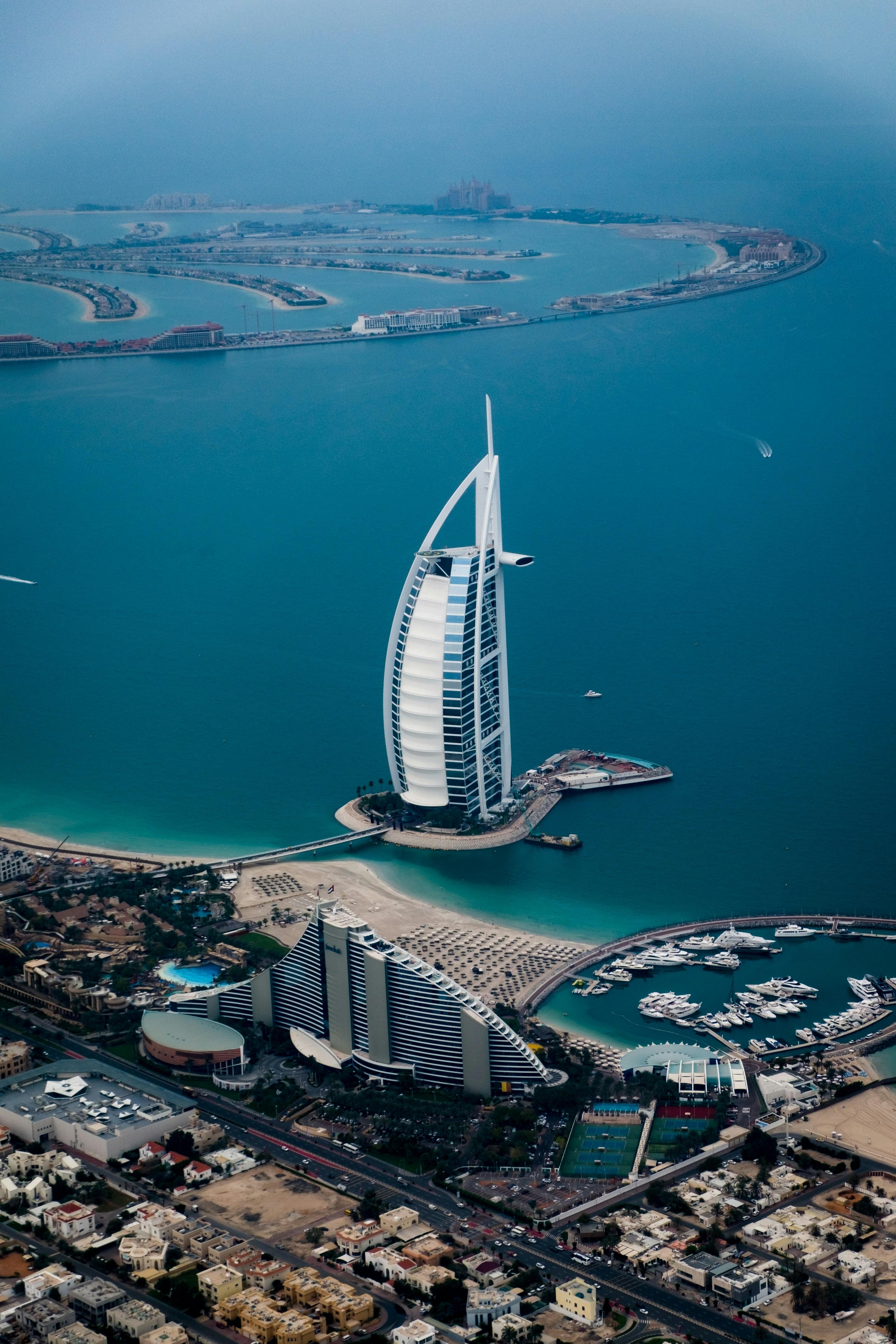
Dubai South is no longer only a future-facing map around an airport. It is becoming one of the emirate’s most important growth corridors because several forces are now moving in the same direction: logistics, aviation, residential demand, infrastructure, and investor appetite for master-planned scale.
For developers, the appeal is obvious. Land economics allow larger communities, product variety, and more room for long-term placemaking. For investors, the pitch is not instant glamour. It is strategic positioning before the next layer of the city matures.
A corridor built around infrastructure
The district’s advantage begins with infrastructure. Proximity to Al Maktoum International Airport, logistics zones, and major road networks gives Dubai South a different economic base from purely residential suburbs.
That matters because end-user demand follows employment, mobility, schools, retail, and credible master planning. The more these elements compound, the less Dubai South feels like a speculative edge and the more it looks like a structural expansion zone.
The investor lens
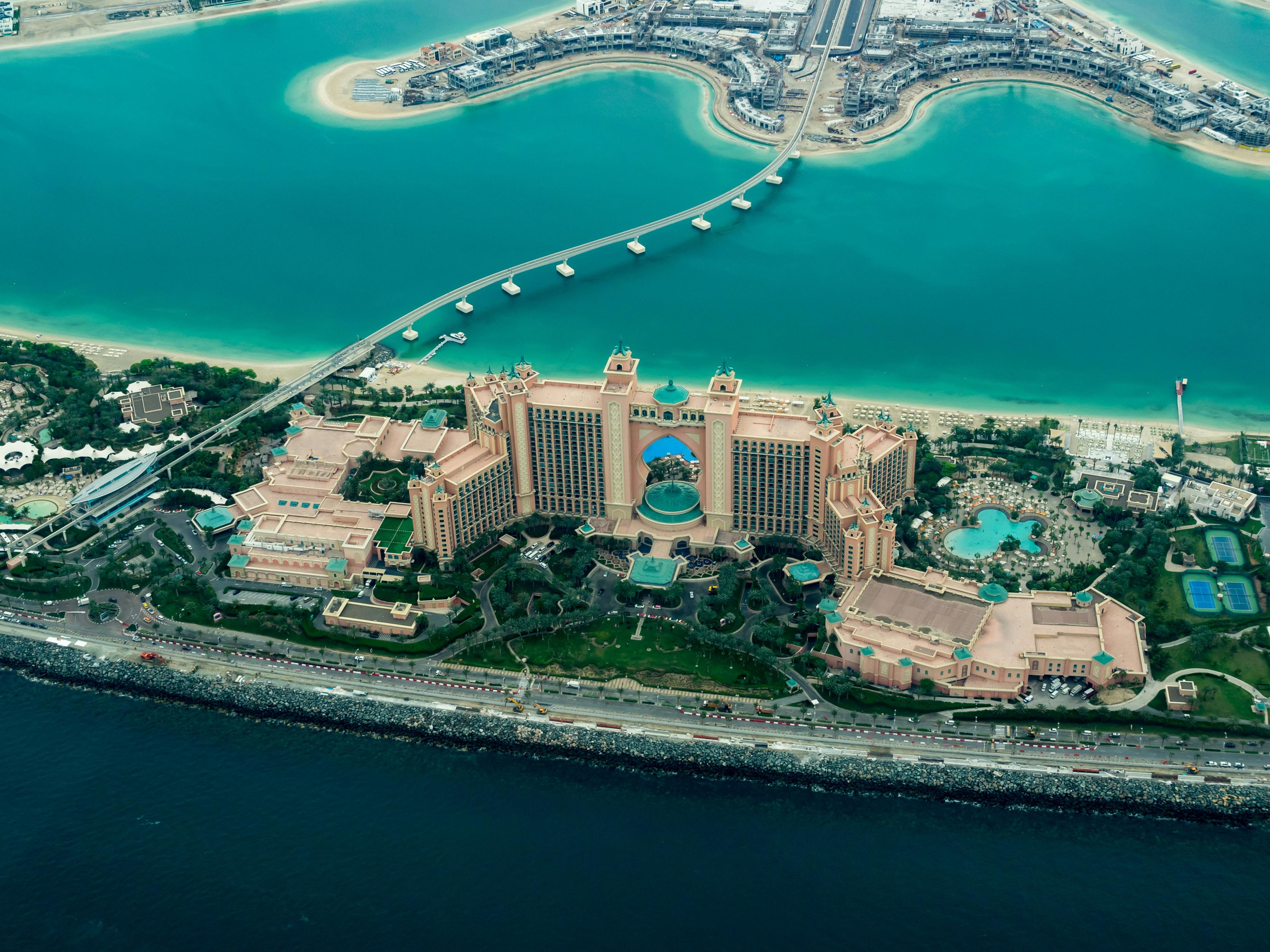
The area still requires patience. Not every launch will outperform. Not every project will build community value. But the institutional story is strengthening: Dubai’s population growth needs new residential capacity, and capital is looking for corridors where infrastructure can support future density.
Dubai South is becoming a test of whether long-term urban planning can convert into investor confidence and owner-occupier demand at the same time.